LEAK DETECTION
In order to determine the general area of a leak use an electronic or ultrasonic leak detector. Once the general area of
the leak is located the use of soap bubbles will pinpoint the leak.
DEHYDRATION
Proper dehydration procedures through evacuation are important to follow.
As every technician knows, the reason for dehydrating a refrigeration system is to remove water and water vapor. If
moisture is allowed to remain in an operating refrigeration system, hydrochloric and hydrofluoric acids may form.
Evacuation of a system is the suggested method of dehydration. It is not possible to over evacuate a system.
Never evacuate a system to the ambient air without first following proper recovery procedures and attaining the man‐
dated vacuum level.
The factors affecting the speed and efficiency of evacuation are; size of equipment being evacuated, ambient tempera‐
ture, amount of moisture in the system, the size of the vacuum pump and suction line. In addition, vacuum lines
should be equal to or larger than the pump intake connection. The piping connection to the pump should be as short a
length as possible and as large in diameter as possible. The system vacuum gauge should be connected as far as possi‐
ble from the vacuum pump. Measuring a systems vacuum should be done with the system isolated and the vacuum
pump turned off. A system that will not hold a vacuum probably has a leak. During evacuation you may wish to heat
the refrigeration system to decrease dehydration time. Dehydration is complete when the vacuum gauge shows that
you have reached and held the required finished vacuum.
(See water vaporization chart in back of manual.)
RECOVERY CYLINDERS
Recovery cylinders differ in many ways from disposable cylinders. Disposable cylinders are used only with virgin re‐
frigerant and may NEVER be used for recovery.
Recovery cylinders are specifically designed to be refilled. Recovery cylinders have 2 ports, one liquid and one vapor.
Care must be taken not to overfill or heat these cylinders, thereby causing an explosion. The EPA requires that a refilla‐
ble refrigerant cylinder MUST NOT BE FILLED ABOVE 80% of its capacity by weight, and that the safe filling level can be
controlled by either mechanical float devices, electronic shut off devices (thermistors), or weight. Refillable cylinders
must be hydrostatically tested and date stamped every 5 years.
Refillable cylinders used for transporting recovered pressurized refrigerant must be DOT (Department of Transporta‐
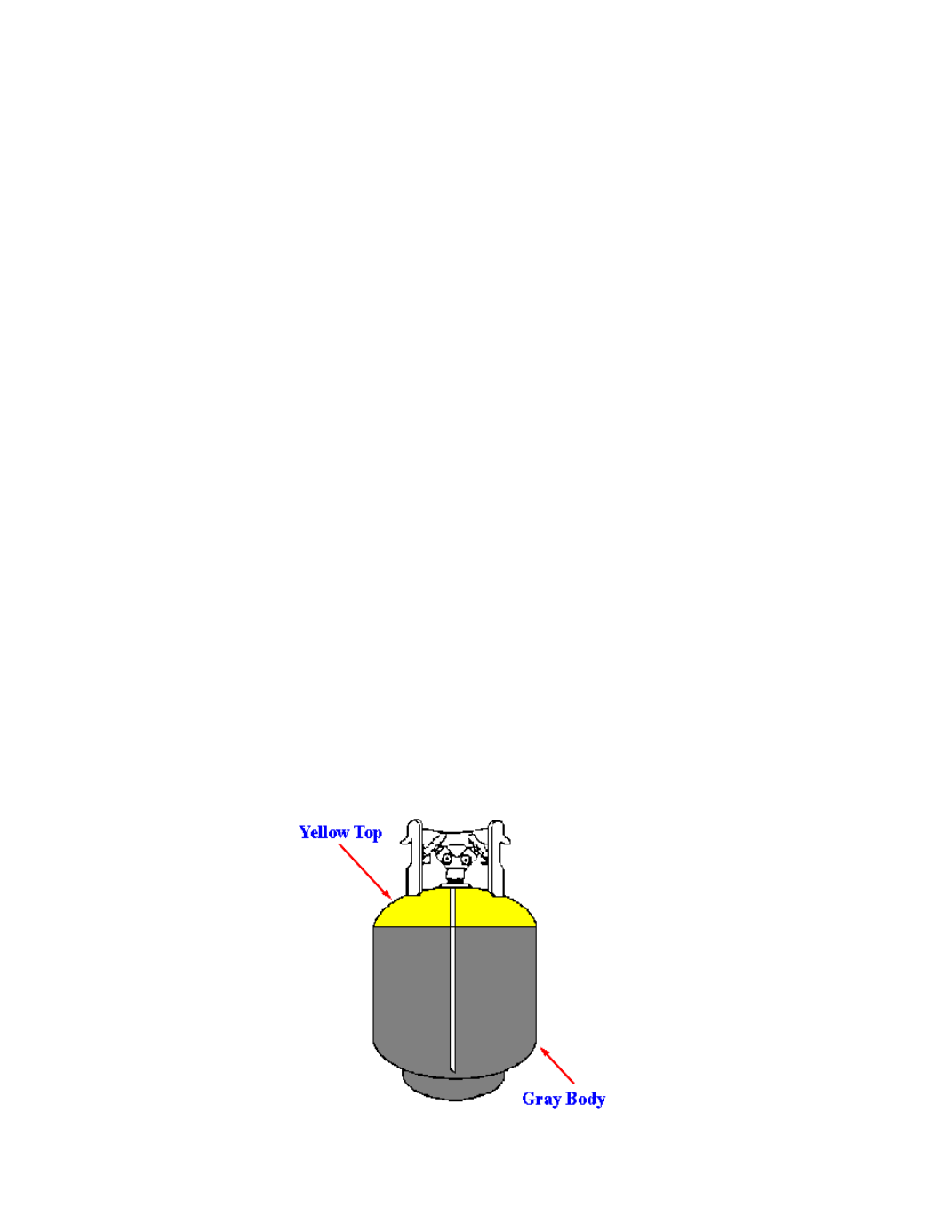
tion) approved. Approved refrigerant recovery cylinders can easily be identified by their colors, YELLOW TOPS AND
GRAY BODIES. All refrigerant recovery cylinders should be inspected for RUST. If they show signs of rust or appear to
not be secure they should be reduced to 0 psig and discarded.
4


